E321: Butylated hydroxytoluene
What is E321?
Butylated hydroxytoluene, known as BHT and labelled E321, is a synthetic antioxidant belonging to the family of phenolic compounds. It is a white crystalline solid that dissolves in fats but not in water.
Origin and production
It is produced industrially by chemical synthesis, typically by reacting p-cresol with isobutylene.
Why is it used?
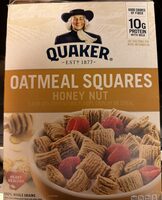
BHT slows the oxidation of fats and oils, helping to prevent rancidity and preserve flavour and colour. It is used in fats and oils for frying, in chewing gum, some breakfast cereals and snacks, and sometimes in food packaging materials, from which small amounts can migrate into the food.
Vegan, vegetarian and halal
BHT is fully synthetic and suitable for vegans and vegetarians. It is not generally a concern for halal or kosher diets.
Safety and regulation
BHT is authorised as a food additive in the EU for a limited range of foods with maximum permitted levels. EFSA re-evaluated it in 2012 and established an acceptable daily intake.
Written by the Foodlas editorial team with AI assistance and checked against EU Regulation (EC) No 1333/2008 and EFSA scientific opinions. Last reviewed: October 14, 2026.
Sources: Regulation (EC) No 1333/2008 · EFSA — Food additives · Wikidata
Common in
Products containing E321