E200: Sorbic acid
What is E200?
Sorbic acid (E200) is a naturally occurring unsaturated fatty acid that is effective against moulds and yeasts. It is a white powder that dissolves poorly in water, which is why its salts are often used instead.
Origin and production
It was first isolated from the berries of the rowan tree (Sorbus aucuparia), which gives it its name. Today it is produced synthetically for food use.
Why is it used?
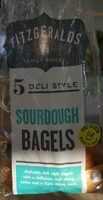
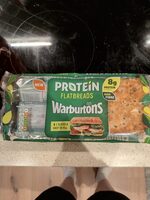
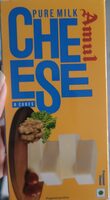
Sorbic acid preserves cakes, bread, cheese, dried fruit and other foods prone to mould, and is sometimes used to treat cheese surfaces or wrapping materials. It works best in slightly acidic conditions and has little effect on taste.
Vegan, vegetarian and halal
Sorbic acid is synthesised without animal ingredients and is suitable for vegans and vegetarians. It raises no particular halal or kosher issue.
Safety and regulation
Sorbic acid is authorised as a preservative in the EU with maximum levels per food category. In its re-evaluation of sorbic acid and its salts, EFSA identified a risk of exceeding the acceptable daily intake for some population groups, particularly high consumers.
Written by the Foodlas editorial team with AI assistance and checked against EU Regulation (EC) No 1333/2008 and EFSA scientific opinions. Last reviewed: October 14, 2026.
Sources: Regulation (EC) No 1333/2008 · EFSA — Food additives · Wikidata
Common in
Products containing E200