E473: Sucrose esters of fatty acids
What is E473?
E473 is sucrose esters of fatty acids, emulsifiers made by linking ordinary sugar (sucrose) to one or more fatty acids. Depending on how many fatty acids are attached, they can favour either water or oil, making them versatile.
Origin and production
Sucrose esters are produced by reacting sucrose with fatty acid methyl esters or triglycerides. The sugar comes from cane or beet, while the fatty acids may come from vegetable oils or from animal fats such as tallow.
Why is it used?
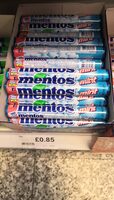
They help mix fat and water, control sugar crystallisation and improve texture, and in chewing gum they help bind the gum base with other ingredients. Sucrose esters are found in candies, sugar-free chewing gum, cereal bars, biscuits and some coatings on fresh fruit.
Vegan, vegetarian and halal
Because the fatty acids may be plant- or animal-derived, E473 is not automatically vegan or vegetarian; only the manufacturer can confirm the source. People following halal or kosher diets may look for certification for the same reason.
Safety and regulation
Sucrose esters are authorised as food additives in the European Union. In its re-evaluation, EFSA identified a risk that some population groups could exceed the acceptable daily intake at high levels of consumption.
Written by the Foodlas editorial team with AI assistance and checked against EU Regulation (EC) No 1333/2008 and EFSA scientific opinions. Last reviewed: October 14, 2026.
Sources: Regulation (EC) No 1333/2008 · EFSA — Food additives · Wikidata
Common in
Products containing E473