E501: Potassium carbonate
What is E501?
Potassium carbonate (E501i) is an alkaline potassium salt that appears as a white, moisture-absorbing powder. It is the potassium counterpart of sodium carbonate.
Origin and production
It was historically extracted from wood ash, giving rise to the name 'potash'. Today it is made industrially by reacting potassium hydroxide with carbon dioxide.
Why is it used?
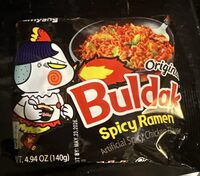
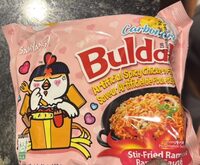
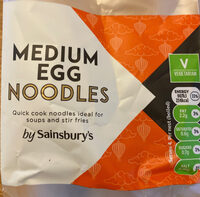
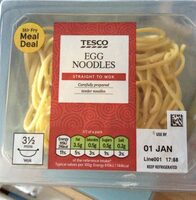
It is a key ingredient of the alkaline water traditionally used to make ramen and other Asian noodles chewy and yellow, and it is used to alkalise cocoa powder, darkening its colour and softening its flavour. It also acts as a raising agent in some traditional gingerbread and as an acidity regulator.
Vegan, vegetarian and halal
Potassium carbonate is mineral in origin and suitable for vegans and vegetarians.
Safety and regulation
E501 is authorised in the EU and has been evaluated by EFSA. It is permitted in many foods at levels determined by good manufacturing practice.
Written by the Foodlas editorial team with AI assistance and checked against EU Regulation (EC) No 1333/2008 and EFSA scientific opinions. Last reviewed: October 14, 2026.
Sources: Regulation (EC) No 1333/2008 · EFSA — Food additives · Wikidata
Common in
Products containing E501