E442: Ammonium phosphatides
What is E442?
E442 is ammonium phosphatides, sometimes called emulsifier YN, a mixture of glycerol-based phospholipid-like compounds neutralised with ammonia. It behaves much like lecithin but is specifically designed for chocolate.
Origin and production
It is produced by glycerolysis of an edible fat, typically partially hardened rapeseed oil, followed by phosphorylation and neutralisation with ammonia. Plant oils are the usual raw material, though the specification does not exclude other fats.
Why is it used?
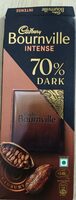
In chocolate, ammonium phosphatides reduce the viscosity of the molten mass, making it flow more easily during moulding and enrobing and allowing manufacturers to use less cocoa butter. It is found in milk and dark chocolate, chocolate candies, and chocolate coatings on ice creams and ice cream bars.
Vegan, vegetarian and halal
E442 is usually made from rapeseed oil and is therefore often suitable for vegans and vegetarians, but the fat source is not always stated; only the manufacturer can confirm it. Those seeking halal or kosher assurance may look for certification.
Safety and regulation
Ammonium phosphatides are authorised as a food additive in the European Union, mainly for cocoa and chocolate products. EFSA re-evaluated the additive in 2016 and did not identify a safety concern at reported uses.
Written by the Foodlas editorial team with AI assistance and checked against EU Regulation (EC) No 1333/2008 and EFSA scientific opinions. Last reviewed: October 14, 2026.
Sources: Regulation (EC) No 1333/2008 · EFSA — Food additives · Wikidata
Common in
Products containing E442