E1510: Ethanol
What is E1510?
Ethanol (E1510) is ordinary drinking alcohol, a clear liquid that dissolves many flavour compounds and evaporates readily. As a food ingredient it is used in small, technical quantities.
Origin and production
Food-grade ethanol is usually produced by yeast fermentation of sugars or starches from crops such as sugar cane, corn or wheat, followed by distillation.
Why is it used?
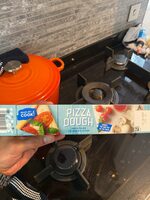
It serves as a carrier and solvent for flavourings and colours and as a preservative that limits mould growth. It is sprayed onto or added to packaged pizza dough, puff pastry, cakes and biscuits to extend shelf life, and much of it evaporates during baking.
Vegan, vegetarian and halal
Ethanol is made from plants and is suitable for vegans and vegetarians. People avoiding alcohol for religious, health or personal reasons may wish to check labels, as halal and other certifiers differ on trace amounts.
Safety and regulation
Ethanol is permitted in the EU as a carrier and in certain foods, rather than being listed among the general food additives. In bakery products it is used at levels well below those of alcoholic drinks.
Written by the Foodlas editorial team with AI assistance and checked against EU Regulation (EC) No 1333/2008 and EFSA scientific opinions. Last reviewed: October 14, 2026.
Sources: Regulation (EC) No 1333/2008 · EFSA — Food additives · Wikidata
Common in
Products containing E1510