E470b: Magnesium salts of fatty acids
What is E470b?
E470b covers magnesium salts of fatty acids, the best known being magnesium stearate. These are fine white powders that feel slippery and repel water.
Origin and production
They are produced by reacting magnesium compounds with fatty acids such as stearic and palmitic acid. These fatty acids may come from vegetable oils, including palm oil, or from animal fats such as tallow.
Why is it used?
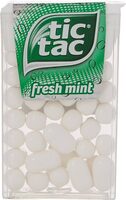
Magnesium stearate is widely used as a lubricant and anti-caking agent, especially in tablet manufacturing, where it stops powders sticking to machinery. It appears in dietary supplements, compressed sweets and mints, lollipops, sugar-free chewing gum and other confectionery.
Vegan, vegetarian and halal
Because the fatty acids may be plant- or animal-derived, E470b is not automatically vegan or vegetarian; only the manufacturer can confirm the source. People following halal or kosher diets, or avoiding palm oil, may look for certification or ask the producer.
Safety and regulation
Magnesium salts of fatty acids are authorised as food additives in the European Union, generally at quantum satis. EFSA re-evaluated fatty acid salts in 2018 and did not identify a safety concern at reported uses.
Written by the Foodlas editorial team with AI assistance and checked against EU Regulation (EC) No 1333/2008 and EFSA scientific opinions. Last reviewed: October 14, 2026.
Sources: Regulation (EC) No 1333/2008 · EFSA — Food additives
Common in
Products containing E470b