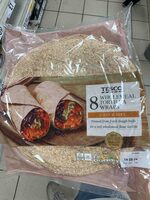
E450: Disodium diphosphate
What is E450?
Disodium diphosphate (E450i), also known as sodium acid pyrophosphate, is a white, acidic phosphate salt. It reacts relatively slowly with baking soda, releasing carbon dioxide mainly when heated.
Origin and production
It is manufactured by partially neutralising phosphoric acid with sodium hydroxide or sodium carbonate and then heating the resulting salt.
Why is it used?
It is a standard leavening acid in baking powders, cake mixes, refrigerated doughs and pastries, giving a delayed rise during baking. It is also used to prevent darkening in potato products and to retain moisture in some processed foods.
Vegan, vegetarian and halal
Disodium diphosphate is a synthetic mineral salt with no animal ingredients, so it is suitable for vegans and vegetarians. It raises no particular halal or kosher issue.
Safety and regulation
Disodium diphosphate is authorised in the EU under E450 with maximum levels for specific foods. It is covered by the group acceptable daily intake for phosphates set by EFSA, which takes phosphorus from all dietary sources into account.
Written by the Foodlas editorial team with AI assistance and checked against EU Regulation (EC) No 1333/2008 and EFSA scientific opinions. Last reviewed: October 14, 2026.
Sources: Regulation (EC) No 1333/2008 · EFSA — Food additives · Wikidata
Common in
Products containing E450