E1400: Dextrin
What is E1400?
Dextrin is a group of carbohydrates made by partially breaking down starch into shorter chains of glucose. E1400 refers to roasted dextrin, a white to yellowish powder that dissolves more easily than ordinary starch.
Origin and production
It is produced by heating dry starch, often with a small amount of acid, from sources such as maize, potato, tapioca or wheat. The roasting splits and rearranges the starch molecules.
Why is it used?
Dextrin works as a thickener, binder, stabiliser and carrier for flavours and colours. It forms thin films, which makes it useful for glazing and coating sweets and chocolate-covered candies, and it is also used in snacks, biscuits and cakes.
Vegan, vegetarian and halal
Dextrin is plant-derived and suitable for vegans and vegetarians. When made from wheat, it may contain gluten, and wheat must then be declared as an allergen on the label in the EU.
Safety and regulation
E1400 is listed in the international Codex numbering system. In the EU, roasted starch and dextrins are generally treated as food ingredients rather than regulated additives, reflecting their close similarity to ordinary starch.
Written by the Foodlas editorial team with AI assistance and checked against EU Regulation (EC) No 1333/2008 and EFSA scientific opinions. Last reviewed: October 14, 2026.
Sources: Regulation (EC) No 1333/2008 · EFSA — Food additives · Wikidata
Common in
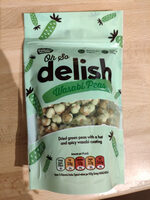
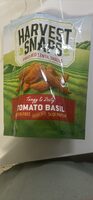
Products containing E1400