E1200: Polydextrose
What is E1200?
Polydextrose (E1200) is a synthetic, randomly linked polymer of glucose containing small amounts of sorbitol and citric acid. It has little sweetness and is only partly digested, providing roughly a quarter of the energy of sugar.
Origin and production
It is made by heating glucose with sorbitol and citric acid under vacuum, which causes the glucose molecules to bond together into a branched, fibre-like structure.
Why is it used?
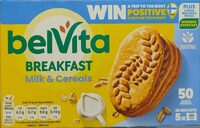
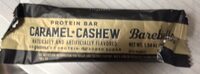
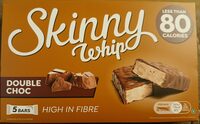
Manufacturers use it as a bulking agent to replace the volume and texture of sugar and fat in reduced-sugar products, and as a source of soluble fibre. It is common in protein bars, low-sugar snacks and biscuits, and frozen desserts.
Vegan, vegetarian and halal
Polydextrose is made from plant-derived glucose and synthetic ingredients and is generally suitable for vegans and vegetarians.
Safety and regulation
E1200 is authorised in the EU for a wide range of foods and has been evaluated by EFSA. Like other poorly digested carbohydrates, large amounts may cause digestive discomfort in some people.
Written by the Foodlas editorial team with AI assistance and checked against EU Regulation (EC) No 1333/2008 and EFSA scientific opinions. Last reviewed: October 14, 2026.
Sources: Regulation (EC) No 1333/2008 · EFSA — Food additives · Wikidata
Common in
Products containing E1200