E163: Anthocyanins
What is E163?
Anthocyanins are natural water-soluble pigments responsible for the red, purple and blue colours of many fruits, flowers and vegetables. Labelled E163, their shade depends on acidity, appearing redder in acidic conditions and bluer in neutral ones.
Origin and production
They are extracted with water or mildly acidified solvents from plant sources such as grape skins, black carrots, red cabbage, elderberries and purple sweet potatoes.
Why is it used?
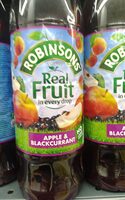
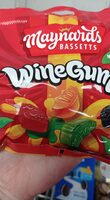
Anthocyanins provide red to purple colours, especially in acidic products. They are used in sweets, gummy candies, lollipops, soft drinks, energy drinks, jams and desserts.
Vegan, vegetarian and halal
Anthocyanins are derived from plants and are suitable for vegans and vegetarians. Grape-skin extracts are by-products of winemaking, which some halal or kosher consumers may wish to check.
Safety and regulation
Anthocyanins are authorised as a food colour in the EU and were re-evaluated by EFSA. In the EU, concentrates of coloured fruits and vegetables can sometimes be labelled as 'colouring foods' rather than as E163.
Written by the Foodlas editorial team with AI assistance and checked against EU Regulation (EC) No 1333/2008 and EFSA scientific opinions. Last reviewed: October 14, 2026.
Sources: Regulation (EC) No 1333/2008 · EFSA — Food additives · Wikidata
Common in
Products containing E163