E407a: Processed eucheuma seaweed
What is E407a?
E407a is processed eucheuma seaweed (PES), a gelling and thickening ingredient that contains carrageenan together with some of the seaweed's cellulose. It is a less refined relative of standard carrageenan (E407).
Origin and production
It is made from red seaweeds of the Eucheuma family, such as Eucheuma cottonii and Eucheuma spinosum, which are washed and treated with an alkaline solution and then dried and milled, without fully extracting the carrageenan. Much of this seaweed is farmed in Southeast Asia.
Why is it used?
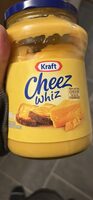
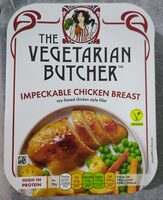
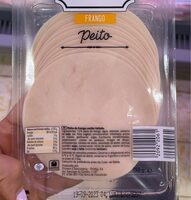
PES thickens, gels and stabilises products, helping retain water in meats and preventing separation in dairy desserts. It is found in cooked chicken and turkey breast slices, ice creams and ice cream tubs, ready meals such as cassoulet, and some sauces.
Vegan, vegetarian and halal
E407a comes from seaweed and is suitable for vegans and vegetarians. It is commonly used as a plant-based alternative to gelatine and raises no particular halal or kosher concerns.
Safety and regulation
Processed eucheuma seaweed is authorised as a food additive in the European Union and was re-evaluated by EFSA together with carrageenan. EFSA identified a risk of exceeding the acceptable daily intake for some population groups at high consumption levels and requested further data.
Written by the Foodlas editorial team with AI assistance and checked against EU Regulation (EC) No 1333/2008 and EFSA scientific opinions. Last reviewed: October 14, 2026.
Sources: Regulation (EC) No 1333/2008 · EFSA — Food additives · Wikidata
Common in
Products containing E407a