E261: Potassium acetate
What is E261?
E261 is potassium acetate, the potassium salt of acetic acid, the acid that gives vinegar its sour taste. It is a white, water-absorbing crystalline powder.
Origin and production
Potassium acetate is made by neutralising acetic acid with a potassium base such as potassium hydroxide or potassium carbonate. The acetic acid can be produced by fermentation or by chemical synthesis.
Why is it used?
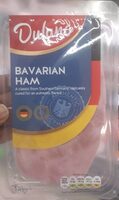
In foods, potassium acetate works as a preservative and acidity regulator, helping to inhibit the growth of spoilage bacteria and moulds. It is used especially in processed meats such as sausages, cooked ham and sliced chicken breast, and also in some meat alternatives, where acetates are often used alongside lactates.
Vegan, vegetarian and halal
E261 is made from mineral and fermentation or synthetic ingredients and is suitable for vegans and vegetarians. It raises no particular halal or kosher concerns of its own.
Safety and regulation
Potassium acetate is authorised as a food additive in the European Union, generally at quantum satis. It is also permitted in many other jurisdictions under good manufacturing practice.
Written by the Foodlas editorial team with AI assistance and checked against EU Regulation (EC) No 1333/2008 and EFSA scientific opinions. Last reviewed: October 14, 2026.
Sources: Regulation (EC) No 1333/2008 · EFSA — Food additives · Wikidata
Common in
Products containing E261