E250: Sodium nitrite
What is E250?
Sodium nitrite (E250) is an inorganic salt made of sodium and the nitrite ion. In meat it reacts to form compounds that give cured products their characteristic pink colour and distinctive flavour.
Origin and production
It is produced industrially, typically by absorbing nitrogen oxides into a sodium hydroxide or sodium carbonate solution. In food it is usually supplied as 'nitrite curing salt', a blend with ordinary salt.
Why is it used?
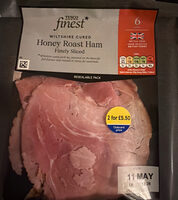
Nitrite is a key curing agent for ham, bacon, salami and many sausages. Besides colour and flavour, its most important role is inhibiting the growth of Clostridium botulinum and other harmful bacteria in cured meats.
Vegan, vegetarian and halal
Sodium nitrite itself is a synthetic mineral salt with no animal origin. It appears almost exclusively in meat products, so the relevant dietary question is usually about the food it is in rather than the additive.
Safety and regulation
Sodium nitrite is authorised in the EU only in certain meat products, with strict maximum levels, partly because nitrite can contribute to the formation of nitrosamines. When EFSA re-evaluated nitrites, it identified a risk of exceeding the acceptable daily intake for some population groups when all dietary sources are considered.
Written by the Foodlas editorial team with AI assistance and checked against EU Regulation (EC) No 1333/2008 and EFSA scientific opinions. Last reviewed: October 14, 2026.
Sources: Regulation (EC) No 1333/2008 · EFSA — Food additives · Wikidata
Common in
Products containing E250