E422: Glycerol
What is E422?
Glycerol (E422), also called glycerine, is a clear, odourless, sweet-tasting and syrupy liquid. It is a simple polyol that forms the backbone of all fats and oils and strongly attracts water.
Origin and production
Glycerol is released when fats and oils are split, for example during soap making or biodiesel production, and is then purified. It can come from vegetable oils or from animal fats, and can also be made synthetically.
Why is it used?
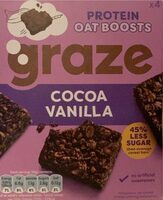
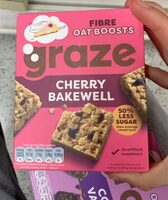
As a humectant it keeps foods moist and soft, which is why it is used in cakes, soft biscuits, protein bars, chewy sweets and dried fruit. It also adds mild sweetness and body, including in sugar-free chewing gum.
Vegan, vegetarian and halal
Glycerol may be of plant, animal or synthetic origin and labels rarely say which, so it is not automatically vegan, vegetarian, halal or kosher. Only the manufacturer can confirm the source; certified products resolve the question.
Safety and regulation
Glycerol is authorised as a food additive in the EU and was re-evaluated by EFSA, which did not see a need for a numerical acceptable daily intake. Very high intakes can cause temporary digestive effects.
Written by the Foodlas editorial team with AI assistance and checked against EU Regulation (EC) No 1333/2008 and EFSA scientific opinions. Last reviewed: October 14, 2026.
Sources: Regulation (EC) No 1333/2008 · EFSA — Food additives · Wikidata
Common in
Products containing E422