E331: Sodium citrates
What is E331?
Sodium citrates (E331) are the sodium salts of citric acid, including monosodium, disodium and trisodium citrate. They have a mildly salty, slightly sour taste and act as buffers that keep acidity stable.
Origin and production
They are made by neutralising citric acid, itself produced by fermentation, with sodium hydroxide or sodium carbonate, then crystallising the salt.
Why is it used?
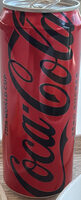
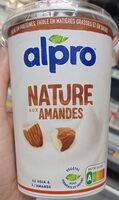
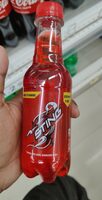
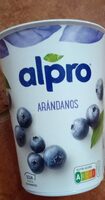
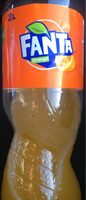
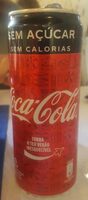
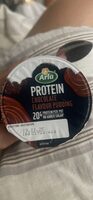
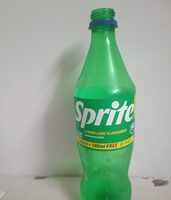
In soft drinks, energy drinks and sweets, sodium citrates regulate acidity and soften sharp sour notes. In processed cheese they serve as emulsifying salts that keep the cheese smooth when melted, and in dairy desserts and yogurts they help stabilise proteins.
Vegan, vegetarian and halal
Sodium citrates are made from fermentation-derived citric acid and mineral bases, and are suitable for vegans and vegetarians. They raise no particular halal or kosher issue.
Safety and regulation
Sodium citrates are authorised as food additives in the EU, evaluated by EFSA, and permitted in many foods at levels set by good manufacturing practice. They add a small amount of sodium to the diet.
Written by the Foodlas editorial team with AI assistance and checked against EU Regulation (EC) No 1333/2008 and EFSA scientific opinions. Last reviewed: October 14, 2026.
Sources: Regulation (EC) No 1333/2008 · EFSA — Food additives · Wikidata
Common in
Products containing E331