E322: Lecithin
What is E322?
E322i is the code used in some ingredient databases for standard (non-hydrolysed) lecithin, a mixture of phospholipids such as phosphatidylcholine. These molecules are part water-loving and part fat-loving, so they sit at the boundary between oil and water and stabilise blends of the two.
Origin and production
It is extracted mainly from the gums removed during the degumming of soybean, sunflower or rapeseed oil, then dried and purified. Egg yolk is a less common, animal-derived source.
Why is it used?
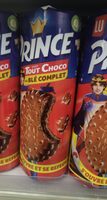
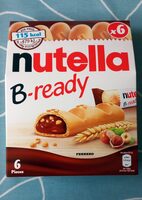
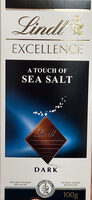
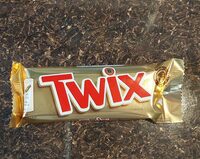
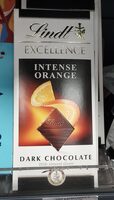
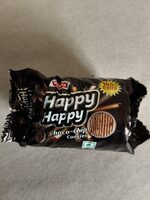
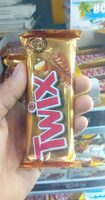
Food makers add lecithin to make chocolate flow more easily, help doughs mix evenly and keep fat dispersed in biscuits, cakes, ice cream and chocolate confectionery. Only small amounts are needed.
Vegan, vegetarian and halal
Lecithin from soy or sunflower is plant-based, but because egg lecithin is also possible, vegans and vegetarians may want to check the ingredient wording or ask the manufacturer. People with soy allergy should note that soy lecithin is declared as an allergen in the EU.
Safety and regulation
Lecithin falls under the EU authorisation for E322, which EFSA re-evaluated without raising a safety concern at reported use levels. It is widely permitted in foods, including in some infant foods under specific conditions.
Written by the Foodlas editorial team with AI assistance and checked against EU Regulation (EC) No 1333/2008 and EFSA scientific opinions. Last reviewed: October 14, 2026.
Sources: Regulation (EC) No 1333/2008 · EFSA — Food additives · Wikidata
Common in
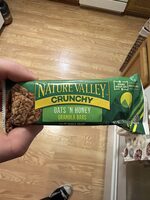
Products containing E322