E503: Ammonium carbonates
What is E503?
Ammonium carbonates (E503) include ammonium carbonate and ammonium hydrogen carbonate. Known traditionally as baker's ammonia or hartshorn salt, they break down completely into ammonia, carbon dioxide and water when heated.
Origin and production
Today they are produced industrially by reacting ammonia with carbon dioxide. Historically, a similar leavening salt was obtained from deer antlers, which explains the old name hartshorn.
Why is it used?
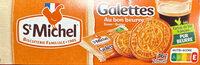
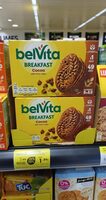
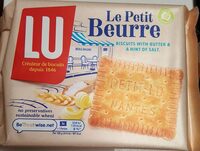
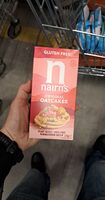
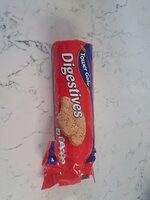
Because the gases escape during baking, ammonium carbonates leave no salty or soapy residue and give a very crisp texture. They are used mainly in thin, dry baked goods such as crackers, shortbread and many traditional biscuits.
Vegan, vegetarian and halal
Modern ammonium carbonates are made synthetically and are suitable for vegans and vegetarians. They raise no particular halal or kosher issue.
Safety and regulation
Ammonium carbonates are authorised in the EU and evaluated by EFSA, and are permitted at levels set by good manufacturing practice. Little or none remains in the finished product because the salt decomposes during baking.
Written by the Foodlas editorial team with AI assistance and checked against EU Regulation (EC) No 1333/2008 and EFSA scientific opinions. Last reviewed: October 14, 2026.
Sources: Regulation (EC) No 1333/2008 · EFSA — Food additives · Wikidata
Common in
Products containing E503