E100: Curcumin
What is E100?
Curcumin (E100) is the bright yellow pigment of turmeric. It belongs to a group of natural compounds called curcuminoids and is poorly soluble in water, so it is often supplied in special formulations.
Origin and production
It is obtained by solvent extraction from the dried rhizome of turmeric (Curcuma longa), followed by purification and crystallisation. Turmeric itself is grown mainly in India.
Why is it used?
Curcumin gives a yellow colour to sweets, gummies, desserts, snacks, mustard, curry products, dairy products and some drinks. It is often chosen as an alternative to synthetic yellow colours.
Vegan, vegetarian and halal
Curcumin is plant-derived and suitable for vegans and vegetarians. Some water-dispersible formulations may use carriers, which can occasionally include gelatine, so certified products offer extra assurance.
Safety and regulation
Curcumin is authorised as a food colour in the EU with maximum levels for specific foods, and EFSA re-evaluated it and set an acceptable daily intake. Turmeric used as a spice is regulated as a food, not as an additive.
Written by the Foodlas editorial team with AI assistance and checked against EU Regulation (EC) No 1333/2008 and EFSA scientific opinions. Last reviewed: October 14, 2026.
Sources: Regulation (EC) No 1333/2008 · EFSA — Food additives · Wikidata
Common in
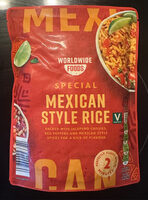
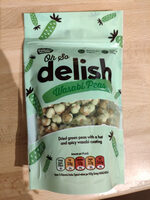
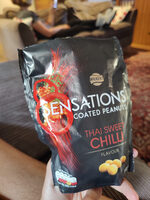
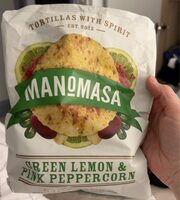
Products containing E100