E472c: Citric acid esters of mono- and diglycerides of fatty acids
What is E472c?
E472c, citric acid esters of mono- and diglycerides of fatty acids (often called CITREM), is an emulsifier made by attaching citric acid to partial glycerides of edible fats. It disperses in water and is effective at stabilising fat-in-water and water-in-fat systems.
Origin and production
CITREM is produced by reacting mono- and diglycerides, or the fats they come from, with citric acid. The fats may be vegetable oils such as palm or sunflower or, less often, animal fats, while citric acid is made by fermentation.
Why is it used?
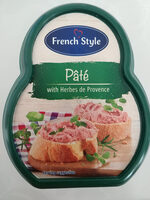
CITREM acts as an emulsifier, stabiliser and synergist for antioxidants. In margarines it reduces spattering during frying, and it is also used in pastries, meat spreads, liver sausages, chocolate-type ice cream coatings and infant formula.
Vegan, vegetarian and halal
Because the fatty acids may be plant- or animal-derived, E472c is not automatically vegan or vegetarian; only the manufacturer can confirm the source. Those following halal or kosher diets, or avoiding palm oil, may look for certification or ask the producer.
Safety and regulation
E472c is authorised as a food additive in the European Union, including in certain foods for infants under specific conditions. It has been included in EFSA's re-evaluation of fatty acid glyceride emulsifiers.
Written by the Foodlas editorial team with AI assistance and checked against EU Regulation (EC) No 1333/2008 and EFSA scientific opinions. Last reviewed: October 14, 2026.
Sources: Regulation (EC) No 1333/2008 · EFSA — Food additives · Wikidata
Common in
Products containing E472c