E281: Sodium propionate
What is E281?
Sodium propionate (E281) is the sodium salt of propionic acid, a short-chain fatty acid. It is a white, slightly hygroscopic powder with a faint cheesy odour.
Origin and production
Propionic acid occurs naturally in some cheeses, such as Emmental, where bacteria produce it. Commercially, sodium propionate is made by reacting propionic acid, usually produced from petrochemicals or by fermentation, with sodium hydroxide or carbonate.
Why is it used?
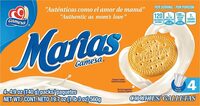
It is mainly used as a mould inhibitor, extending the shelf life of bread, cakes, biscuits and pastries. It is sometimes used in prepared meats and other products where mould growth is a risk.
Vegan, vegetarian and halal
Sodium propionate contains no animal ingredients and is generally suitable for vegans and vegetarians.
Safety and regulation
Propionates are authorised in the EU with defined maximum levels, mainly in bakery products, and have been evaluated by EFSA. Propionic acid is also produced naturally by gut bacteria.
Written by the Foodlas editorial team with AI assistance and checked against EU Regulation (EC) No 1333/2008 and EFSA scientific opinions. Last reviewed: October 14, 2026.
Sources: Regulation (EC) No 1333/2008 · EFSA — Food additives · Wikidata
Common in
Products containing E281