E903: Carnauba wax
What is E903?
Carnauba wax (E903) is a hard, high-melting plant wax. It gives a glossy, protective finish and is one of the hardest natural waxes known.
Origin and production
It is obtained from the leaves of the carnauba palm (Copernicia prunifera), which grows in north-eastern Brazil. The leaves are dried and beaten to release wax flakes, which are then melted and refined.
Why is it used?
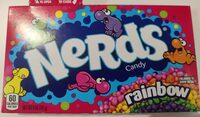
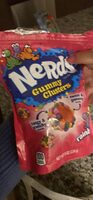
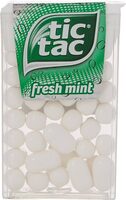
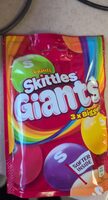
Carnauba wax is used as a glazing agent to give sweets, chocolate-coated products, jelly beans and chewing gum a shiny surface and stop them sticking together. It can also be used to coat some fruit and as a carrier for other substances.
Vegan, vegetarian and halal
Carnauba wax is plant-derived and is suitable for vegans and vegetarians; it is often used in place of beeswax or shellac. It does not usually raise halal or kosher concerns.
Safety and regulation
Carnauba wax is authorised as a food additive in the EU for specific uses such as glazing confectionery and fruit, with maximum levels. EFSA re-evaluated it and did not identify a safety concern at reported uses.
Written by the Foodlas editorial team with AI assistance and checked against EU Regulation (EC) No 1333/2008 and EFSA scientific opinions. Last reviewed: October 14, 2026.
Sources: Regulation (EC) No 1333/2008 · EFSA — Food additives · Wikidata
Common in
Products containing E903