E476: Polyglycerol polyricinoleate
What is E476?
Polyglycerol polyricinoleate, usually abbreviated PGPR and labelled E476, is a viscous yellowish liquid emulsifier. It is made from polyglycerol linked to ricinoleic acid, a fatty acid characteristic of castor oil.
Origin and production
It is produced by joining glycerol molecules into polyglycerol and then reacting this with fatty acids obtained from castor beans.
Why is it used?
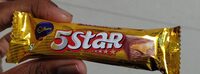
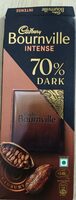
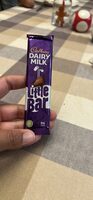
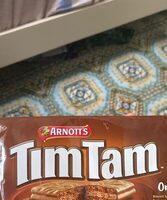
In chocolate, PGPR helps the melted mass flow, so it coats and moulds evenly with less cocoa butter. It is found in chocolate bars, chocolate-coated sweets and biscuits, and coatings for ice cream.
Vegan, vegetarian and halal
PGPR is generally plant-derived, based on castor oil, and is considered suitable for vegans and vegetarians. Those seeking halal or kosher assurance can look for certified products, since the glycerol source is not shown on the label.
Safety and regulation
PGPR is authorised as a food additive in the EU and was re-evaluated by EFSA, which concluded that its use at permitted levels does not raise a safety concern. Its use is restricted to a limited range of foods, mainly cocoa-based confectionery and some spreads and dressings.
Written by the Foodlas editorial team with AI assistance and checked against EU Regulation (EC) No 1333/2008 and EFSA scientific opinions. Last reviewed: October 14, 2026.
Sources: Regulation (EC) No 1333/2008 · EFSA — Food additives · Wikidata
Common in
Products containing E476