E435: Polyoxyethylene sorbitan monostearate
What is E435?
Polyoxyethylene sorbitan monostearate, more commonly called polysorbate 60 and labelled E435, is a synthetic emulsifier. It is a waxy or oily yellowish substance that helps oil and water stay mixed.
Origin and production
It is produced from sorbitol, a sugar alcohol, which is reacted with ethylene oxide and esterified with stearic acid. The stearic acid can come from plant oils or animal fats.
Why is it used?
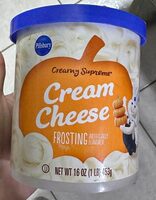
Polysorbate 60 keeps fats evenly dispersed, improving texture and volume. It appears in cakes, pastries, biscuits, whipped toppings, coffee creamers, coconut creams and frozen desserts, where it helps produce a smooth, stable product.
Vegan, vegetarian and halal
Because the fatty acid may be of plant or animal origin, polysorbate 60 is not automatically vegan or vegetarian. Only the manufacturer can confirm the source; halal and kosher consumers may wish to look for certification.
Safety and regulation
Polysorbate 60 is authorised in the EU and was re-evaluated by EFSA as part of the polysorbate group. EFSA identified a risk of exceeding the group acceptable daily intake for some population groups.
Written by the Foodlas editorial team with AI assistance and checked against EU Regulation (EC) No 1333/2008 and EFSA scientific opinions. Last reviewed: October 14, 2026.
Sources: Regulation (EC) No 1333/2008 · EFSA — Food additives · Wikidata
Common in
Products containing E435