E960: Steviol glycosides
What is E960?
Steviol glycosides are the sweet-tasting compounds found in the leaves of the stevia plant, notably stevioside and rebaudioside A. Labelled E960, they are around 200 to 300 times sweeter than sugar and provide virtually no calories.
Origin and production
Traditionally they are extracted from stevia leaves with water and purified. Newer variants are produced by fermentation using microorganisms or by enzymatic conversion of stevia leaf extracts.
Why is it used?
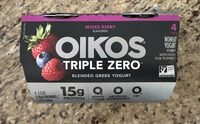
Steviol glycosides are used as a sugar substitute in soft drinks, flavoured waters, yoghurts, protein powders, dietary supplements and table-top sweeteners. They can have a slightly bitter or liquorice-like aftertaste, so they are often blended with other sweeteners.
Vegan, vegetarian and halal
Steviol glycosides are derived from a plant or from microbial fermentation and are suitable for vegans and vegetarians. They are not generally a concern for halal or kosher diets.
Safety and regulation
Steviol glycosides are authorised as a sweetener in the EU following EFSA's assessment, with an acceptable daily intake expressed as steviol equivalents. EFSA identified a risk of exceeding that acceptable daily intake for some population groups, particularly children, at maximum permitted use levels.
Written by the Foodlas editorial team with AI assistance and checked against EU Regulation (EC) No 1333/2008 and EFSA scientific opinions. Last reviewed: October 14, 2026.
Sources: Regulation (EC) No 1333/2008 · EFSA — Food additives · Wikidata
Common in
Products containing E960