E477: Propane-1‚2-diol esters of fatty acids
What is E477?
E477 is propane-1,2-diol esters of fatty acids, also called propylene glycol esters. They are emulsifiers formed by linking fatty acids to propylene glycol, a small alcohol.
Origin and production
These esters are produced either by direct esterification of propylene glycol with fatty acids or by reacting propylene glycol with fats and oils. The fatty acids may come from vegetable oils or from animal fats.
Why is it used?
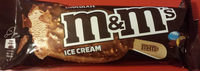
E477 is particularly effective as an aerating agent: it helps cake batters and whipped toppings incorporate and hold air, giving greater volume and a fine texture. It appears in cakes, cake mixes, pastries, whipped desserts, ice creams and powdered drink mixes.
Vegan, vegetarian and halal
Because the fatty acids may be plant- or animal-derived, E477 is not automatically vegan or vegetarian; only the manufacturer can confirm the source. Those following halal or kosher diets may look for certification.
Safety and regulation
Propane-1,2-diol esters of fatty acids are authorised as food additives in the European Union, with maximum levels for specific foods. EFSA re-evaluated them in 2018 and did not identify a safety concern at reported uses.
Written by the Foodlas editorial team with AI assistance and checked against EU Regulation (EC) No 1333/2008 and EFSA scientific opinions. Last reviewed: October 14, 2026.
Sources: Regulation (EC) No 1333/2008 · EFSA — Food additives · Wikidata
Common in
Products containing E477