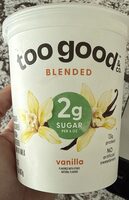
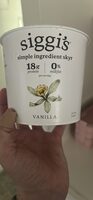
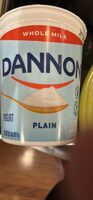
Photo: Open Food Facts contributors, CC BY-SA
At a glance
yoghurt (noosa) is a product in the category “Yogurts”. It provides 142 kcal (595 kJ) per 100 g. One serving of 1 serving (127 g) contains about 180 kcal, or 9% of an adult's daily energy reference intake. It contains 67% more sugar than the median product in its category. It contains 101% more saturated fat than the median product in its category. It contains 16% more salt than the median product in its category. Its ingredient list contains 2 additives: E428 - Gelatine and E440 - Pectins. It is sold in United States.
Nutrition facts
| Nutrition facts | Per 100 g / 100 ml | % RI* | Per serving (1 serving (127 g)) |
|---|---|---|---|
| Energy | 595 kJ / 142 kcal | 7% | 755 kJ / 180 kcal |
| Fat | 6.3 g | 9% | 8 g |
| Saturated fat | 3.5 g | 18% | 4.5 g |
| Carbohydrates | 17 g | 6% | 21 g |
| Sugars | 16 g | 18% | 20 g |
| Added sugars | 26 g | 33 g | |
| Starch | 0 g | 0 g | |
| Protein | 4.7 g | 9% | 6 g |
| Salt | 0.13 g | 2% | 0.16 g |
| Cholesterol | 20 mg | 25 mg | |
| Caffeine | 0 mg | 0 mg | |
| Vitamin A | 0 µg | 0 µg | |
| Vitamin E | 0 mg | 0 mg | |
| Vitamin C | 0 mg | 0 mg | |
| Calcium | 157 mg | 199 mg | |
| Iron | 0 mg | 0 mg | |
| Magnesium | 0 mg | 0 mg | |
| Zinc | 0 mg | 0 mg | |
| Fruits, vegetables & legumes | 21 % |
*Reference intake of an average adult (8400 kJ / 2000 kcal).
Compared with similar products
Median values of 4,142 products in the category “Yogurts”.
Ingredients
Grade a pasteurized whole milk, fruit puree (cane sugar, water, butter, lemon juice concentrate, tapioca starch, natural flavors, vegetable juice), cane sugar, honey, kosher gelatin, pectin, live active cultures (s. thermophilus, l. bulgaricus, l. acidophilus, bifidus, l. casei).
Allergens
Additives
Frequently asked questions
How many calories are in yoghurt?
yoghurt contains 142 kcal per 100 g, which is about 180 kcal per serving of 1 serving (127 g).
Is yoghurt vegan?
No. The ingredient list of yoghurt contains at least one animal-derived ingredient.
Does yoghurt contain palm oil?
No palm oil was detected in the ingredient list of yoghurt.
Which additives does yoghurt contain?
yoghurt contains E428 - Gelatine and E440 - Pectins.
Which allergens are in yoghurt?
According to Open Food Facts, the label of yoghurt lists these allergens: Milk. Always check the package.
Healthier alternatives
Popular products from the same category with a better Nutri-Score.